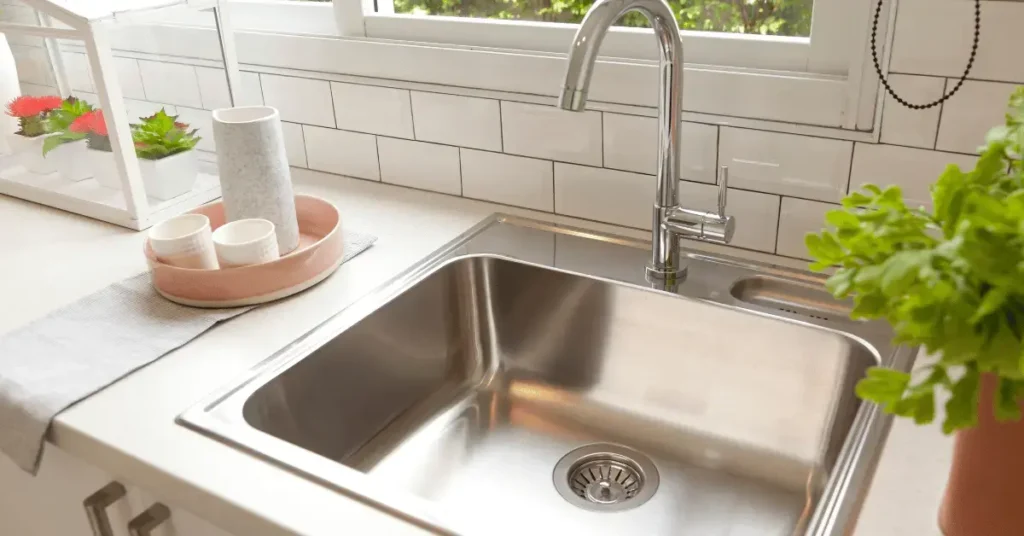
The most common reason a kitchen sink keeps clogging is a buildup of fats, oils, and grease (FOG), food scraps, starchy foods, and soap scum. In San Diego homes, hard water, older plumbing, and seasonal root intrusion make clogs worse. The fastest way to stop recurring blockages is to remove debris from the P-trap, clear the drain line obstruction, and prevent future buildup with strainers, proper disposal habits, and routine maintenance.
Why Kitchens Get More Recurring Sink Clogs Than You Think
If your sink keeps clogging, you’re not alone. Homes often combine three clog-accelerating conditions:
- Older plumbing systems with narrow or aging drain lines
- Hard water, which accelerates soap scum and mineral buildup
- High-use kitchen environments, especially in multi-family homes
This creates a perfect recipe for a clogged kitchen sink, slow-draining sinks, gurgling drains, standing water in the sink, and even air bubbles in the drain.
If you’re wondering why your kitchen sink keeps clogging, and you’ve tried every home remedy, and somehow you find out that the kitchen sink backing up but no clog, that’s because the cause isn’t always obvious.
If you’ve tried basic fixes but the sink keeps getting clogged, calling a Plumbing company in San Diego can prevent deeper damage.
Fats, Oils & Grease (FOG) - The #1 Cause of Recurring Clogs
FOG (fats, oils, and grease) is the biggest reason a sink keeps clogging in kitchens. Hot grease flows easily at first, then cools, hardens, and coats the inner pipe walls.
Why FOG is Worse in San Diego
- Hard water accelerates cooking oil solidification
- Older pipes collect organic matter accumulation faster
- High-use kitchens wash more food waste down the drain
Quick Fix
- Pour boiling water slowly to soften fresh grease (avoid if you have plastic pipes to prevent plastic pipe heat damage).
- Follow with dish soap to break down residue.
Prevention Tip
- Wipe pans with paper towels before washing.
- Install drain strainers for everyday protection.
Starchy Foods + Coffee Grounds = Cement Inside Pipes
Many homeowners rinse starch-heavy foods thinking the garbage disposal can handle them, but they expand and glue themselves to debris inside pipes.
Clog-Creating Foods to Avoid
- Pasta, rice, potatoes (starchy foods)
- Coffee grounds
- Fibrous vegetable peels
- Eggshells
- Food scraps
If you notice repeated slow drainage, consider scheduling full Drain Cleaning to remove packed layers of starch and debris.
Soap Scum & Hard Water Mineral Deposits
Hard water conditions combine with soap to create stubborn soap scum. When this mixes with dishwashing residue buildup, it forms hard plaque inside drain lines.
Signs
- Kitchen sink not draining
- Sticky film in the P-trap
- Recurring sludge buildup
Hard Water vs. Soft Water Drain Behavior
| Condition | Impact on Drains | Likelihood of Recurring Clogs |
|---|---|---|
| Hard Water | Heavy soap scum + mineral coating | Very High |
| Soft Water | Minimal soap buildup | Low |
Prevention Tip
Install a whole-home water softener to extend pipe life and reduce clog frequency.
P-Trap Blockage - The Most Common Indoor Obstruction
A P-trap blockage happens when grease, FOG, and food scraps settle in the curved pipe beneath the sink. Because homes often have older P-traps, buildup forms faster.
Signs
- Rotten odors
- Gurgling drains
- Standing water in sink
Fast Way to Clear a P-Trap
- Place a bucket underneath
- Unscrew the trap
- Remove debris
- Clean with enzyme-based degreasers
- Reinstall
Garbage Disposal Misuse & Overload
A garbage disposal can worsen a clog if used incorrectly.
Common Disposal Mistakes
- Overloading the chamber
- Grinding fibrous foods (celery, peels)
- Using hot water during grinding
- Dropping foreign objects
Good vs. Bad Disposal Practices
| Good Practice | Bad Practice |
|---|---|
| Running cold water | Grinding starchy foods |
| Small batches | Coffee grounds |
| Regular cleaning | Eggshells + peels |
If repeated disposal issues cause the sink to clog, start spotting slow drains early, it’s the first warning sign of deeper blockage.
Drain Line Obstruction from Organic Matter Accumulation
Over months or years, food particles, soap film, and grease create thick sludge inside the drain line. This reduces the diameter of the pipe and causes a slow-draining sink.
Symptoms of a Drain Line Obstruction
- Frequent backups
- Air bubbles in drain
- Sink takes 30+ seconds to empty
- Gurgling or slurping noises
San Diego Factor: Hard water minerals bind to sludge faster than in soft-water regions.
Vent Pipe Blockage Reduces Airflow and Causes Recurring Clogs
Your vent pipe regulates air pressure in the plumbing system. If blocked by leaves, debris, or even small animals, drainage slows dramatically.
How It Affects the Sink
- Water drains slowly
- Gurgling noise
- Sink keeps clogging repeatedly
Main Sewer Line Clog - A Hidden Cause in Homes
A deeper main sewer line clog can mimic a sink-only problem.
Causes
- Grease buildup from multiple fixtures
- Foreign object obstruction
- Flushed wipes or debris
- Tree root intrusion in older coastal clay soil
Seasonal root growth creates root balls inside pipe, especially during dry months when roots seek moisture.
Signs the Problem Is in the Main Line
- Multiple drains backing up
- Kitchen + bathroom sinks clogged together
- Gurgling noises from tub when using sink
- Unpleasant odors
If you see backups in multiple rooms, that’s beyond DIY; call DR HOUSE INC for full-system Drain Cleaning Service before damage worsens.
Improper Drain Line Slope in Older Homes
Many older properties were built with outdated plumbing layouts. If the drain line slope is too flat, even small debris can settle and create long-term blockages.
Fix: A plumber may re-slope the line or install cleanouts for easier maintenance.
When Professional Tools Are the Only Solution
Some recurring clogs require advanced equipment:
Pro Tools That Fix Recurring Clogs Fast
- Drain snake / auger
- Motorized drain snake for deep compacted debris
- Hydro jetting for hardened grease, FOG, and scale
- Grease trap / interceptor installations
- Enzyme-based degreasers for maintenance
Hydro jetting is especially effective in San Diego due to mineral-rich water and older cast-iron pipes.
How to Prevent Your Kitchen Sink from Clogging Again
Apply these simple prevention habits, which are given below:
- Flush drains with hot water weekly
- Use microbial / enzymatic drain cleaners monthly
- Empty sink strainers daily
Long-Term Prevention
- Avoid sending starchy foods and peels down the disposal
- Never rinse coffee grounds into the sink
- Install a water softener in hard-water neighborhoods
- Have annual professional inspections to detect drain line obstruction early
Call DR HOUSE INC - Stop Recurring Sink Clogs for Good
Recurring clogs are often a symptom of deeper drain issues. Hard water, older plumbing, and hidden blockages can escalate into costly repairs.
DR HOUSE INC has the tools, experience, and advanced methods, from hydro jetting to full sewer inspections, to restore your drains fast.
Call Today: (858) 703-7536
Keep your kitchen functional, safe, and clog-free.
Common Question's About Kitchen Sink Keeps Clogging
Why does my kitchen sink clog even when I’m careful with what goes down the drain?
Even when you avoid obvious items like grease or scraps, tiny residues from dishwashing, soap scum, and mineral deposits slowly coat the inside of pipes. Over time, these narrow the passage and cause recurring clogs.
How often should I clean my kitchen drain to prevent constant clogs?
Most experts recommend a light cleaning every 1–2 weeks using hot water, a baking soda/vinegar flush once a month, and a deeper inspection or professional cleaning every 6–12 months.
What are the early warning signs my sink keeps clogging?
Slow draining, bubbling noises, foul odors, or water backing up during dishwashing indicate buildup or a developing blockage.
Can using a plunger damage my kitchen sink pipes?
No, using a sink-safe cup plunger is generally safe. Just avoid excessive force if you have older plumbing systems.
How can I tell if the clog is deeper in the main line instead of the kitchen drain?
If multiple drains around the home slow down at the same time, or you see water backing up in other fixtures, the clog may be in the main sewer line.